What Everyone Should Know
HPV (human papillomavirus) is one of the most common infections, yet many people don’t realize how serious it can be. Most people who get HPV won’t have symptoms, but the virus can still be passed on and cause long-term health problems, including cancer. The good news? HPV is preventable.
What Is HPV?
HPV spreads through close skin-to-skin contact, including oral, genital, and anal sexual activity. You don’t need to have intercourse to get it, and many people never know they have it.
Quick facts:
- 75% of people will get HPV at some point in their life
- Most infections cause no symptoms
- HPV can lead to cancer if it doesn’t go away
Health Risks of HPV
Some types of HPV are high-risk and can cause cancer. HPV is responsible for:
- Nearly 100% of cervical cancers
- 90% of anal cancers
- Up to 73% of throat cancers
- 40–50% of penile cancers
- 40% of vaginal and vulvar cancers
HPV-related throat cancer is now the most common HPV cancer in Canada.
Low-risk types of HPV can also cause anogenital warts, which may be skin-coloured or pink and sometimes cause discomfort or emotional distress.
How Is HPV Detected?
Cervical cancer screening with a Pap test or HPV DNA test can find early cell changes before cancer develops. There is no routine screening for other HPV-related cancers.
Genital warts are diagnosed through a physical exam by a health care provider.
The HPV Vaccine
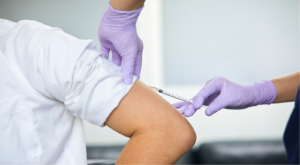
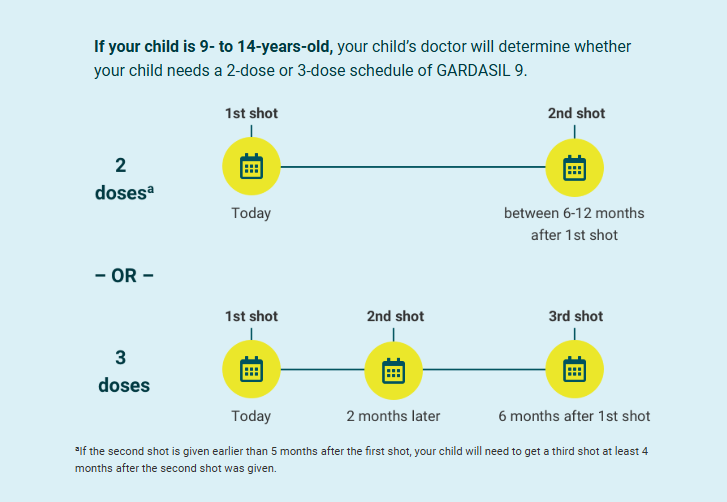
The HPV vaccine (Gardasil® 9) protects against 9 types of HPV that cause cancer and genital warts.
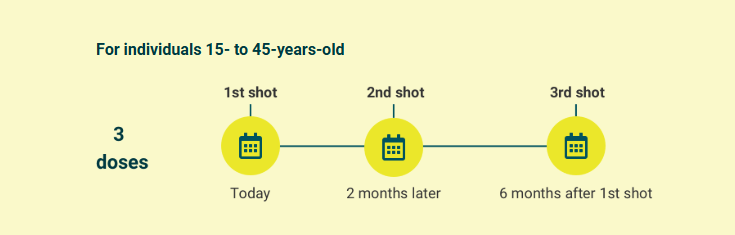
In British Columbia, the vaccine is free for:
- People aged 9–26
- People aged 27–45 who are:
- Two-Spirit, transgender or non-binary
- Males who have sex with males
- Living with HIV
- Treated for cervical dysplasia after July 31, 2025
- Two-Spirit, transgender or non-binary
It prevents up to:
- 90% of cervical cancers
- 90–95% of anal cancers
- 90% of genital warts
One dose now provides strong protection for youth aged 9–20. The earlier you get vaccinated, the better the protection.
Why Screening and Vaccination Matter
Most HPV infections clear on their own, but some don’t. When HPV remains in the body, it can lead to cancer over time. Screening and vaccination save lives.
Resources / Where to Learn More:
- Vancouver Coastal Health
https://www.vch.ca/en/health-topics/hpv - Government of Canada
https://www.canada.ca/en/public-health/services/diseases/human-papillomavirus-hpv.html - HealthLink BC
https://www.healthlinkbc.ca/healthlinkbc-files/human-papillomavirus-hpv-vaccine